The Philippine Embassy in Berlin

  • 
  • 
  • 
  • Home
  • The Embassy
    • About the Secretary of Foreign Affairs
    • The Embassy Team
    • Philippine-German Relations
    • Philippine Consulate General in Frankfurt
    • Philippine Consulates in Germany
    • Holidays
    • Job Opportunities
    • Bids and Awards Committee
      • Invitation to Bid
  • Consular Services
    • Online Appointments
      • Passport Applications
      • Other Consular Services
      • Walk-in Policy
    • Passports
      • New/Renewal (Adults)
      • New/Renewal (Minors)
      • Travel Documents
      • FAQs on Passports
    • Visas
      • Applying for a Visa
      • Visa Categories
      • Visa-Free Entry
      • Balikbayan Privilege
      • General Information on Entry of Foreigners
      • Foreign Surgical and Medical Mission (FSMM) to the Philippines
    • Civil Registry
      • Report of Birth
      • Report of Marriage
      • Report of Death
      • Shipment of Remains/Urns to the Philippines
      • Downloadable Forms
    • Authentication & Notarization
      • Affidavit of Support and Guarantee
      • Solemnization of Marriage
      • Legal Capacity to Contract Marriage (LCCM)
      • NBI Clearance
      • Unaccompanied Travel of Minor Children
        • Unaccompanied Travel of Foreign Children and Waiver of Exclusion Ground (WEG)
        • Unaccompanied Travel of Filipino Minor Children and DSWD Travel Clearance
      • Downloadable Forms
    • Citizenship (Renunciation, Reacquisition, Retention)
      • Reacquisition/Retention of Philippine Citizenship
      • Dual Citizenship
      • Renunciation of Philippine Citizenship
      • FAQs on Citizenship
    • Consular Fees
  • Other Services
    • Assistance-to-Nationals (ATN)
    • Overseas Voting
      • RERB Hearing
      • OV Registration for 2028 National Elections
      • Digital Voter’s ID
    • Labour
      • Employment Contracts
      • Overseas Employment Certificate (OEC)
    • Cultural
      • Filipino Community
        • Filipinos in Deutschland Registry (FinDEr)
        • Directory of Filipino Community Organizations in Germany
    • Trade and Importation
      • Bringing Currency into the Philippines
      • Importation of Regulated Products for Personal Use
      • Transport of Live Pets/Animals to the Philippines
      • Importation of Plants, Planting Materials, and Plant Products
      • Foreign Investment Act of 1991 (RA 7042, as amended by RA 11647)
  • Press Releases
  • Advisories
    • Embassy Advisories
    • MWO Advisories

Viewing category: Press Releases

ASEAN-Germany Biodiversity Cooperation Spotlighted in Forum in Berlin: Ambassador Almojuela highlights Philippines’ leadership

November 5, 2026

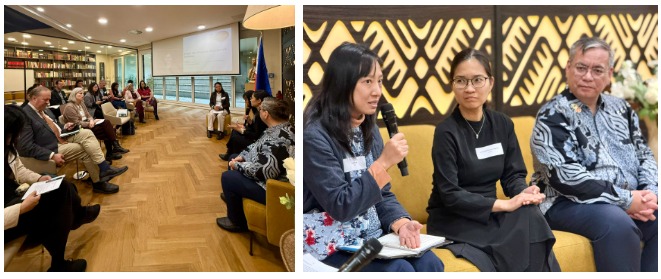
BERLIN, 04 November 2026 – The Philippine Embassy in Germany put the ASEAN Center for Biodiversity (ACB) in the spotlight in a forum entitled “ASEAN-Germany Partnerships for Biodiversity: Pathways to Climate Resilience in the Indo-Pacific” held in Berlin this week.

The Embassy, together with the Max Planck Institute – NTU Singapore Centre for Biocultural Worlding and the Berlin-Brandenburg Academy of Sciences and Humanities (BBAW) on 3 November 2026, brought together around 70 participants from German public and scientific institutions, development finance partners, the diplomatic community and civil society for the event.

In her opening remarks, Philippine Ambassador to Germany Maria Teresa T. Almojuela referred to the Philippines’ Chairship of the Association of Southeast Asian Nations (ASEAN) in 2026, which will culminate in the 49th ASEAN Leaders’ Summit on 16-18 November 2026, one expected outcome of which is a Leaders’ Declaration on an ASEAN strategy for the environment.  

Ambassador Almojuela emphasized that biodiversity conservation is integral to the Philippines’ vision for regional resilience.  “This is a shared responsibility which aligns with the Philippines’ ASEAN Chairship priorities and reflects our conviction that regional resilience depends not only on strong economies and institutions, but also on healthy ecosystems and empowered communities at the center of action,” Ambassador Almojuela said. She highlighted the role of the ASEAN Center for Biodiversity (ACB), which is hosted by the Philippines, in implementing the ASEAN’s biodiversity and climate resilience agenda.

The Ambassador expressed deep appreciation for Germany’s longstanding support for biodiversity conservation in Southeast Asia.  She underscored Germany’s new status as an ASEAN Sectoral Dialogue Partner, noting it opens pathways for an even stronger engagement with ASEAN, including in climate action and biodiversity. 

The Forum discussed approaches to biodiversity, the production and use of scientific knowledge, indigenous knowledge systems, science communication, innovative development financing mechanisms, and the recently-concluded 17th meeting of the Conference of the Parties to the Convention on Biological Diversity (CBD COP17). 


Dr. Jerome Montemayor, Executive Director of the ASEAN Centre for Biodiversity (ACB) keynoted the event. He highlighted the Centre’s work as a regional platform that connects countries, institutions, experts, and communities.  Guided by the ASEAN Biodiversity Plan, the ACB helps align regional priorities with the Kunming-Montreal Global Biodiversity Framework, while recognizing the diverse circumstances and capacities of the ASEAN Member States. He also presented ACB’s key initiatives including programs with indigenous communities, local organizations, women and youth.

Professor Dr. Dagmar Schäfer, Co-Director of the Max Planck-NTU Singapore Centre for Biocultural Worlding, and a historian of science, brought a biocultural perspective to the program, linking biodiversity conservation with cultural diversity and local knowledge systems that respond to communities’ circumstances and promotes durable outcomes.

The event also featured a panel entitled, “Navigating New Approaches and Realities for Nature: Biodiversity Cooperation between ASEAN and Germany,” which brought together top minds in the biodiversity and development finance spheres namely,  Professor Johannes Vogel, Ph.D. of the Museum for Natural History Berlin; Prof. Dr. Denise Margaret Matias of the Eberswalde University for Sustainable Development; Ms. Vibeke Christensen of KfW Development Bank;  Dr. Julia Voss of the Centre for Biocultural Worlding’s Advisory Board and Dr. Montemayor.  

Questions from the floor sparked discussions on the increasingly important interface between scientists and policymakers, industry, and communities to translate research into practical, locally-grounded solutions; ensuring that local communities and institutions are co-leaders and partners in research; and cooperation approaches that reward stewardship while helping communities participate more meaningfully in discussions about their environment. 

In his remarks, Professor Dr. Christoph Markschies, President of the Berlin-Brandenburg Academy of Sciences and Humanities, welcomed the forum’s efforts to foster dialogue on biodiversity — a topic that featured prominently on the Academy’s early agenda. He noted the timeliness of the discussion as the Academy reconnects with its roots and revisits the priorities of its earliest members. 86 Nobel laureates have been among those who shaped the Academy’s history, including Albert Einstein.

In his closing remarks, Malaysian Ambassador to Germany Mohamad Razdan Jamil, Chair of the Berlin ASEAN Committee, underscored the importance of developed nations fulfilling their commitments to provide adequate, predictable and accessible financial resources, together with effective technology transfer and capacity-building — to complement, rather than substitute, the commitments of developed nations under the Convention on Biological Diversity.  He likewise called for the Global Biodiversity Framework Fund tobe made more accessible and responsive to the needs of developing nations and for transparent, predictable financing arrangements aligned with national priorities. 

The forum was in line with the Philippines’ Chairship of ASEAN in 2026 and was held days after the CBD COP17 in Yerevan, Armenia, from 19 to 30 October 2026. -END.
Berlin Science and Culture Festival 2026: Philippine Embassy convenes ASEAN Scientists for biodiversity conservation

November 3, 2026

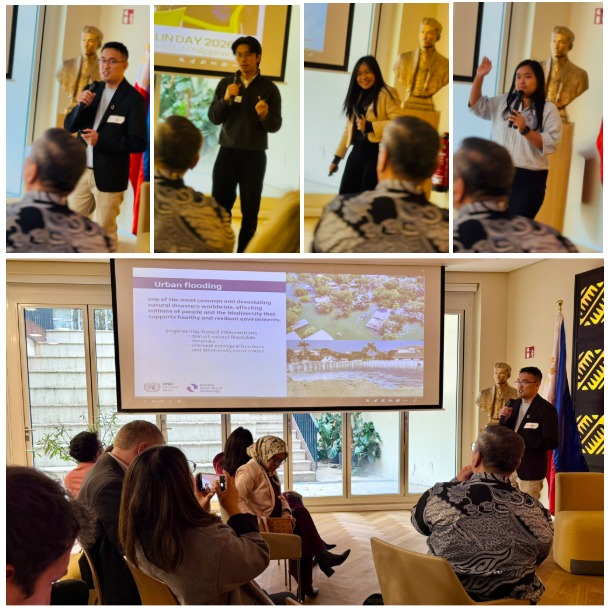
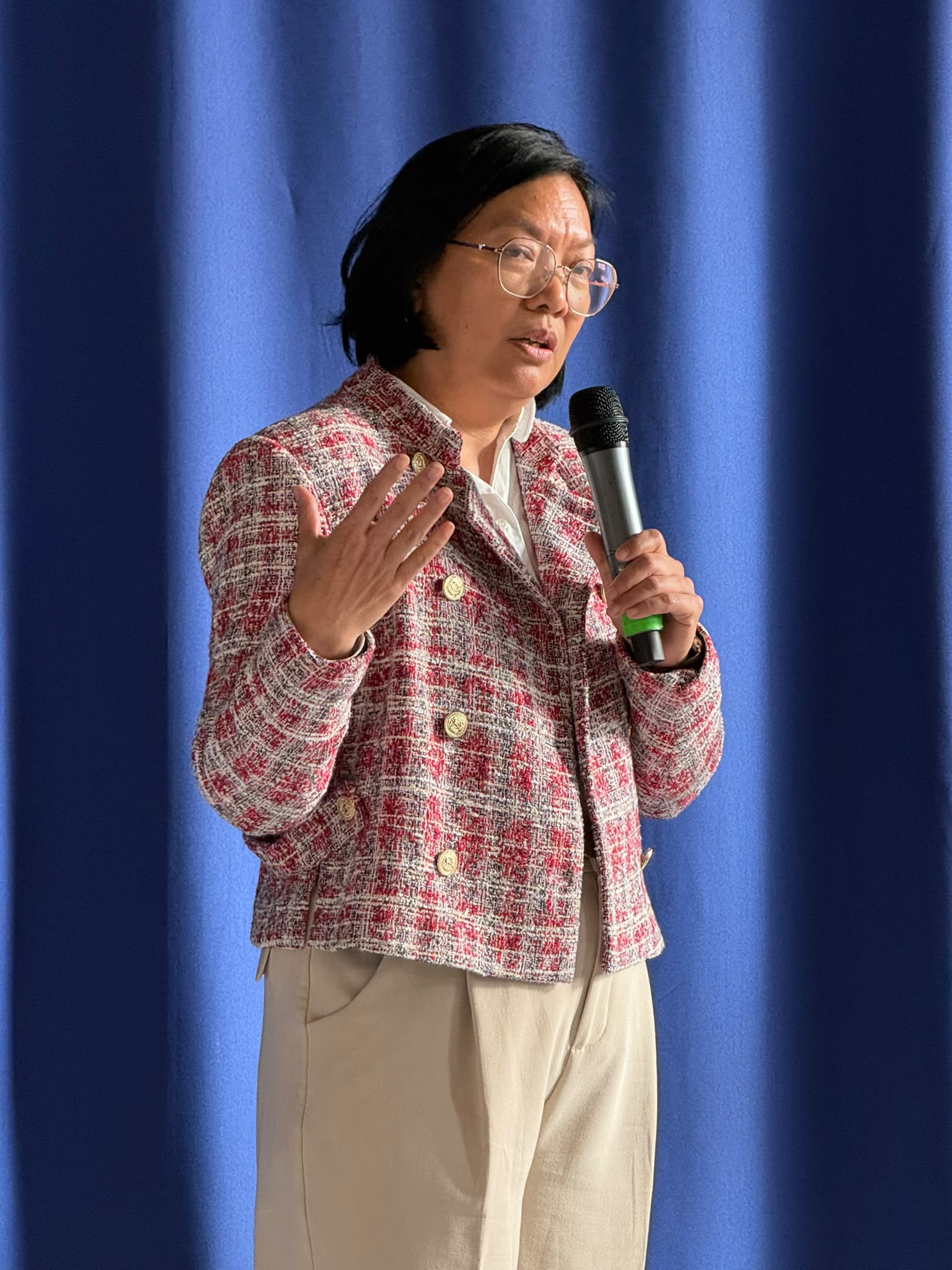
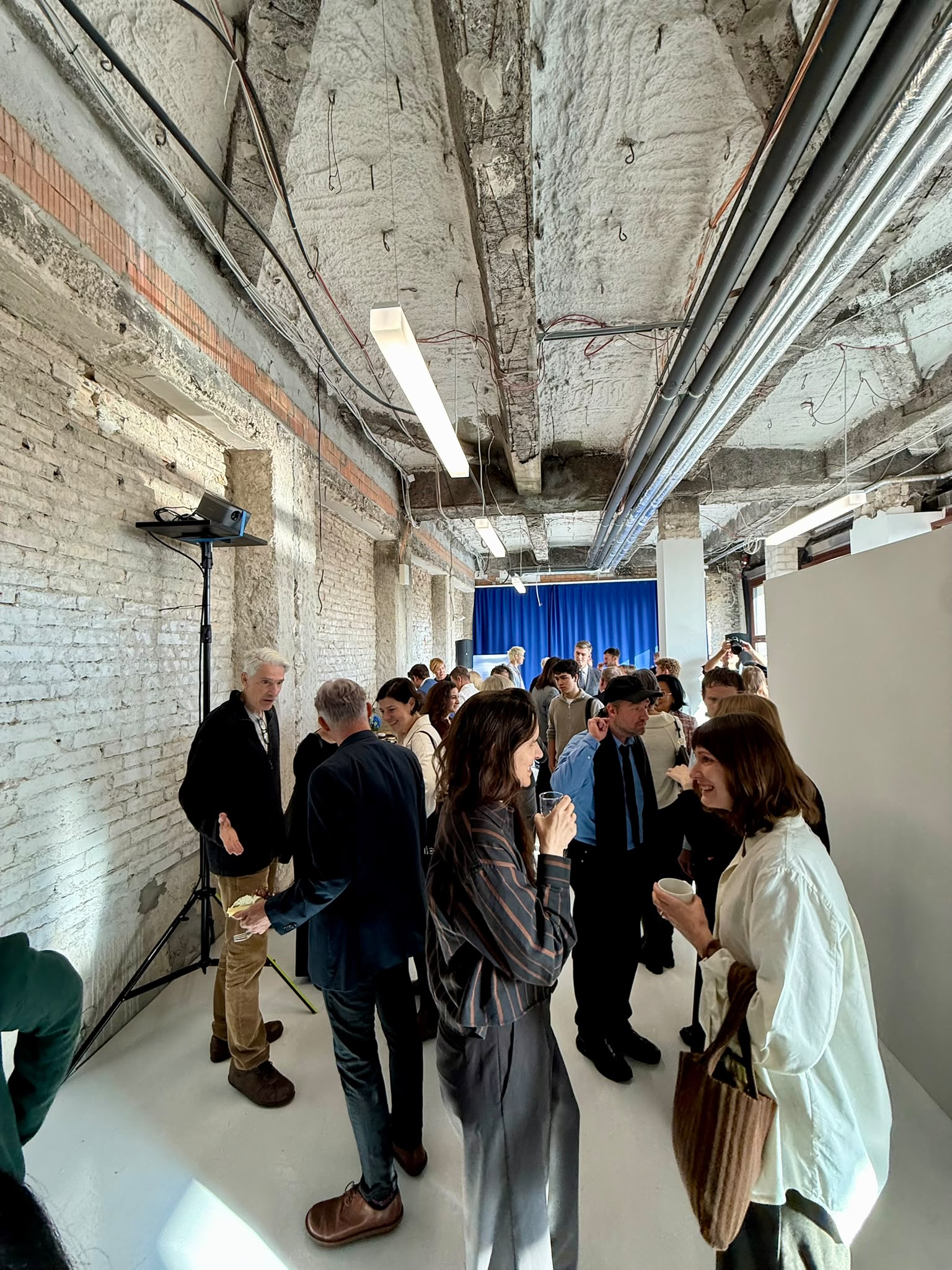
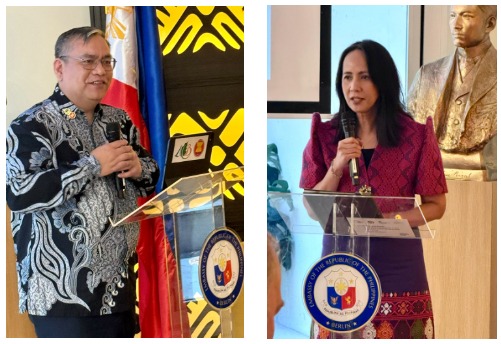
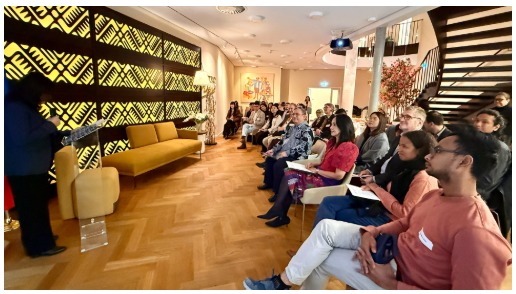
BERLIN, 03 November 2026 – The Philippine Embassy in Germany, in partnership with the BÖLT Meer project at the Eberswalde University for Sustainable Development (HNEE), convened a workshop “ASEAN Scientists in the Diaspora for Biodiversity Conservation” at the Philippine Embassy in Berlin on 2 November 2026, as part of Berlin Science and Culture Festival.

The event brought together over 30 scientists and researchers from Southeast Asia as well as Australia, China and Taiwan, who are now associated with different institutions across Germany to discuss how transnational scientific expertise can contribute to biodiversity conservation, climate resilience, and sustainable development in Southeast Asia.

The Embassy organized the event in line with the Philippines’ Chairship of ASEAN in 2026, and the Philippines’ long-standing commitment to advancing regional and international cooperation on sustainability, climate action, and biodiversity conservation. 

In her welcome remarks, Philippine Ambassador to Germany Maria Teresa T. Almojuela highlighted that the Philippines is concluding its ASEAN Chairship in two weeks,  with a Leaders’ Summit in Manila, and one of the key outcomes expected is a Leaders’ Declaration is the ASEAN Strategic Plan for the Environment for up to 2045.   

Ambassador Almojuela underscored the role of the ASEAN Centre for Biodiversity (ACB), hosted by the Philippines, as ASEAN’s intergovernmental centre of excellence for biodiversity conservation and as a platform through which scientific expertise can contribute to collective regional action.  The ACB is administering a network of seventy-one (71) ASEAN Heritage Parks in the region, which is home for over 25 per cent of the world’s flora and fauna even if its 11 member states account for less than 3 percent of the earth’s land.  

The Ambassador pointed out that this natural wealth faces mounting pressures from habitat loss, pollution, overexploitation, and climate change. Because these threats cross borders, she stressed that responses must likewise be regional and collective.  “These pressures do not respect national boundaries. And neither can our response,” Ambassador Almojuela said.

In his keynote address, Dr. Jerome L. Montemayor, Executive Director of the ASEAN Centre for Biodiversity discussed the Centre’s work in facilitating cooperation among ASEAN Member States and partners, supporting the implementation of the Kunming-Montreal Global Biodiversity Framework, and strengthening regional capacity for biodiversity conservation and sustainable use.

He highlighted ACB’s platforms for facilitating exchange, dialogue and collaboration  with the scientific community, including through the Scientific Advisory Committee and the Biodiversity Science Conferences. He invited the participating scientists to contribute to the ASEAN Biodiversity Outlook, a publication of the ACB, and to touch base with the Centre’s science team to find out how to align with and support the ACB’s research agenda.  


A highlight of the event was a panel discussion where Dr. Montemayor; Ms. Thanh Tu Mai, Doctoral Researcher, Leibniz Centre for Agricultural Landscape Research (ZALF) and Professor Dr. Denise Margaret Matias of the Eberswalde University for Sustainable Development. The panel examined pathways by which scientists working outside Southeast Asia can support research, policy, conservation practice, and capacity-building in their countries and region of origin.

Several participants also delivered PechaKucha presentations, sharing their research and personal journeys as scientists in the diaspora. The session reflected the Berlin Science Week theme, “In Touch,” by exploring how researchers remain connected to the communities, landscapes, and ecosystems that first inspired their work. The workshop emphasized the value of sustained collaboration and the synergies that can be created among scientists in the diaspora, regional institutions, national agencies, local researchers, conservation practitioners, Indigenous Peoples, and communities closest to the ecosystems being protected. –END 

Pulitzer Prize winner Susie Ibarra brings Philippine musical heritage and biodiversity to Berlin stage in European premiere of Sky Islands

October 30, 2026

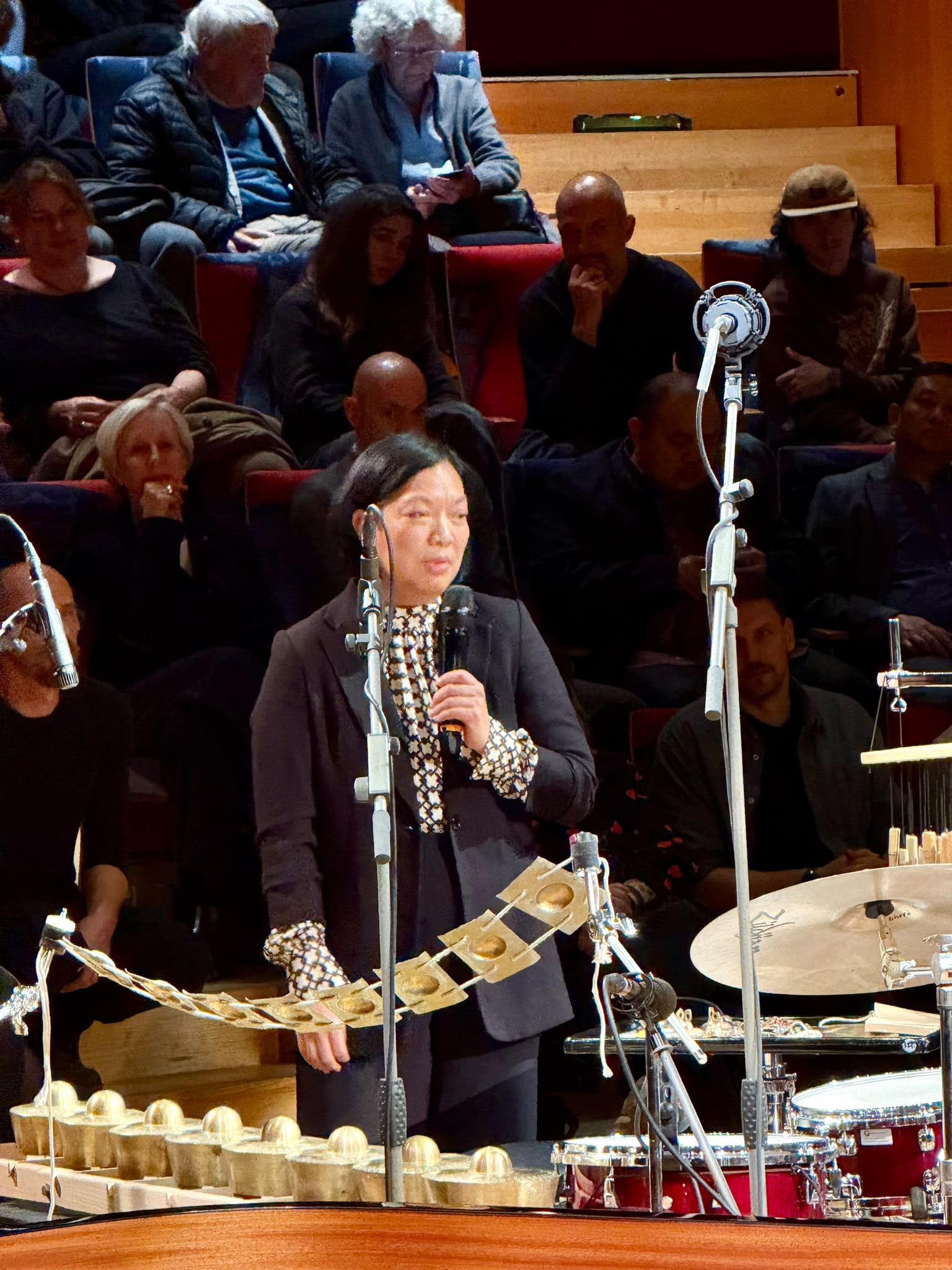
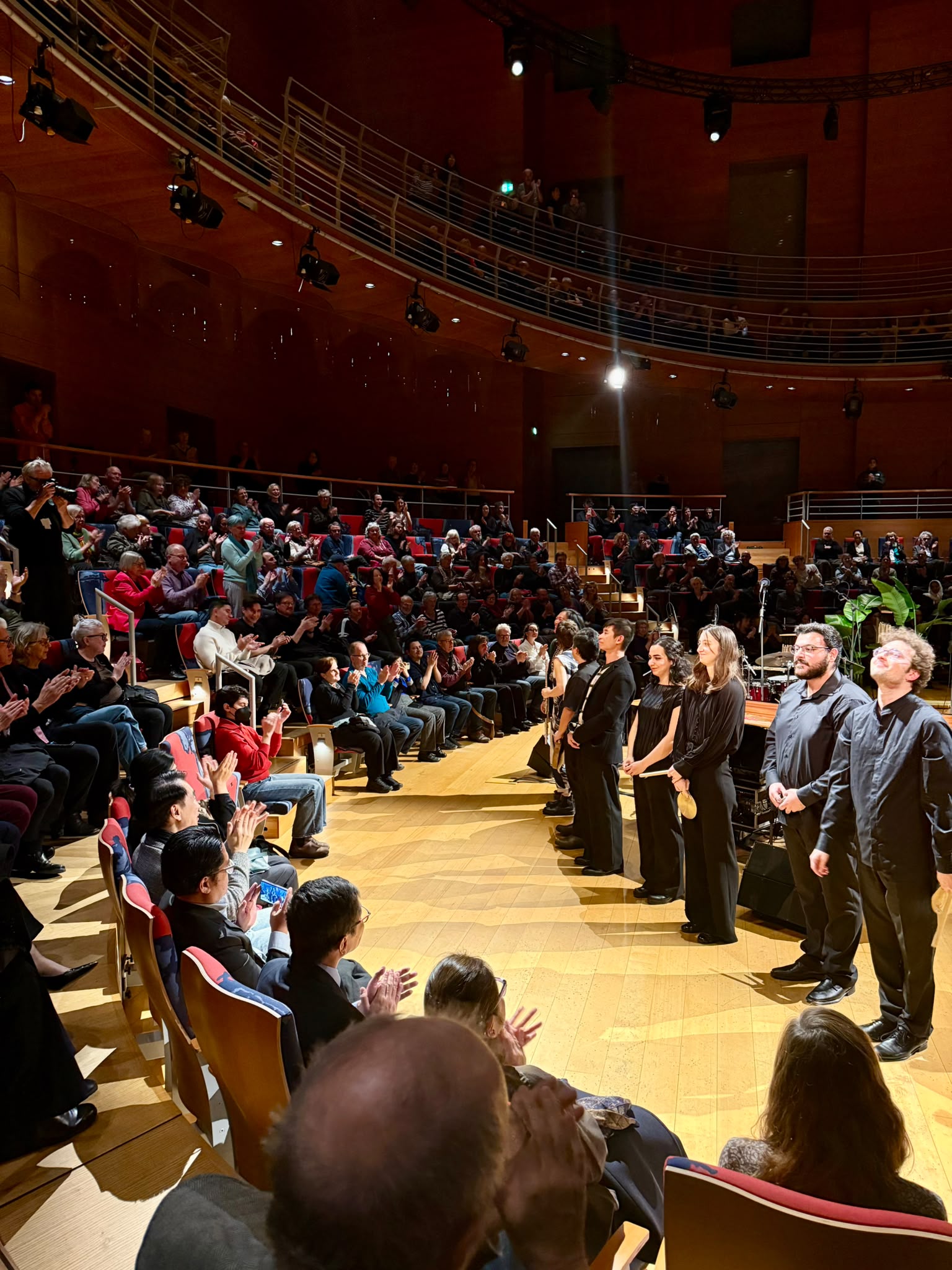
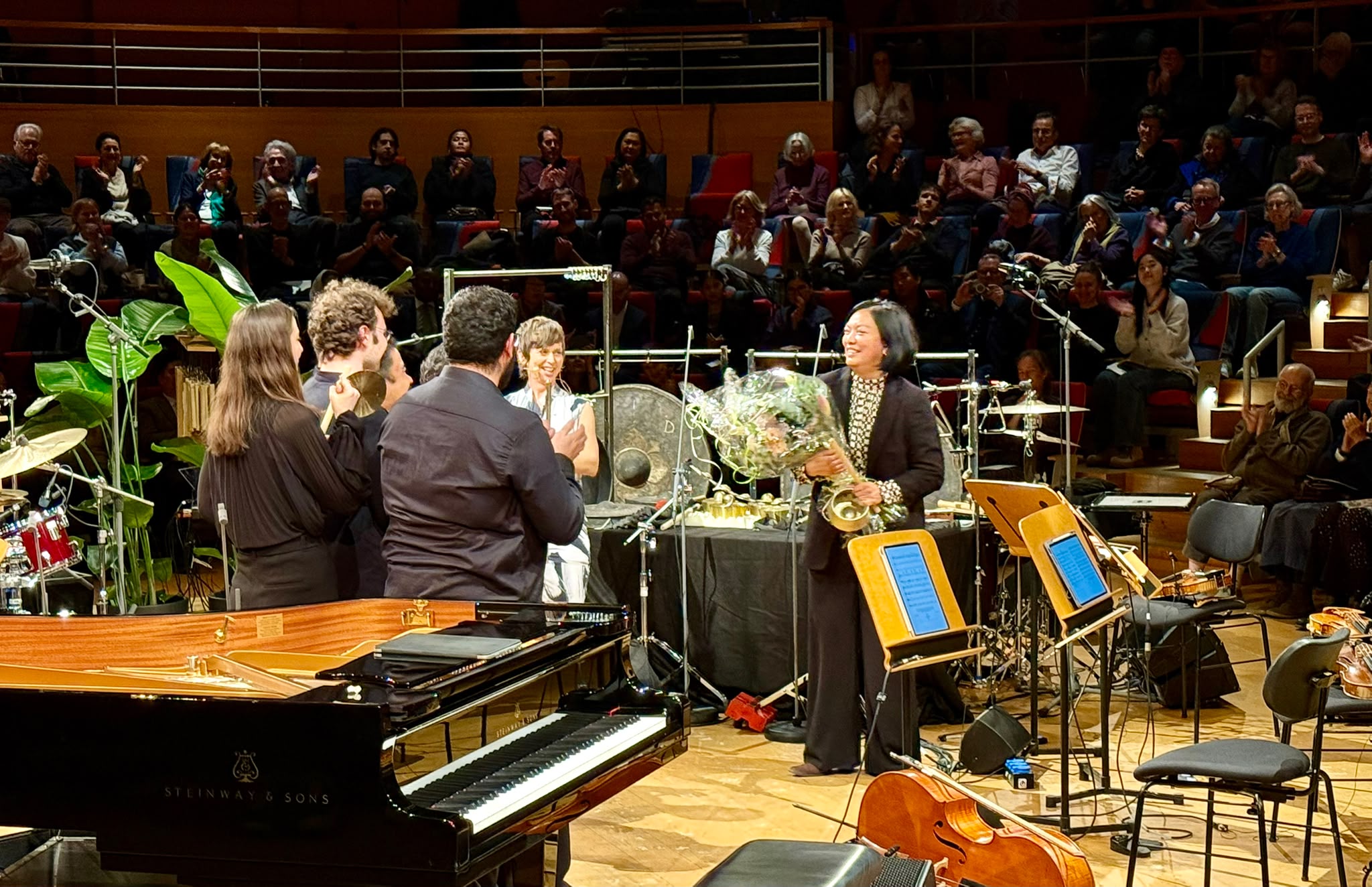
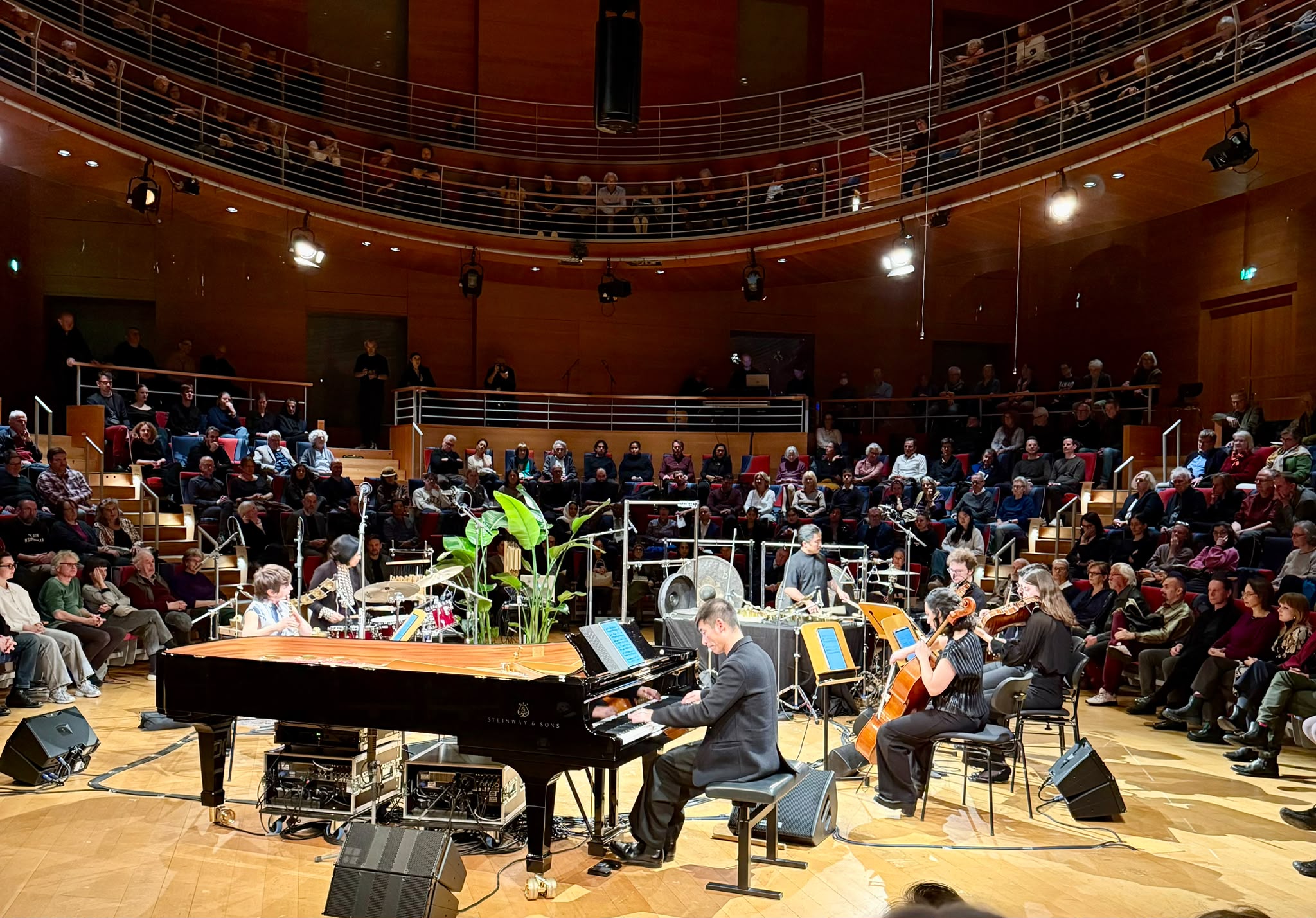
BERLIN, 29 October 2026 – The Philippine Embassy in Berlin supported the European premiere of Sky Islands, the Pulitzer Prize-winning composition of Filipino-American composer, percussionist, and sound artist Susie Ibarra, at Berlin’s iconic Pierre Boulez Saal on 28 October 2026.

The performance drew a full house, including the Philippine Embassy’s invited guests from the Federal government, the diplomatic corps, and Berlin’s cultural institutions.

Joining Ibarra on stage were Filipino-American percussionist Levy Lorenzo, flutist Claire Chase, pianist Alex Peh, and the Exira Quartet. Their performance brought the nature and musical traditions of the northern Philippines to a Berlin audience through a contemporary work inspired by sounds of Luzon’s elevated rainforests and spectacular biodiversity.

Sky Islands takes its name from mountain habitats separated from one another by lower-lying terrain. Inspired by the rainforests of Luzon, the composition combines Philippine gong and bamboo instruments with other instrumental sounds. The piece premiered at Asia Society in New York in 2024 and earned Ibarra the 2025 Pulitzer Prize for Music.

Ambassador Maria Teresa Torres Almojuela said that “the Philippine Embassy in Berlin celebrates with honor and pride Susie Ibarra’s achievements and contribution to contemporary music.  Her works create profound touchpoints for societies and cultures to connect in the common ground of music and – in that place – to ponder together on our relationship to nature and our responsibilities in climate action.”  

She noted that the European premier of Sky Islands in Berlin adds a new facet to the many milestones between the Philippines and Germany in the field of music.

On performing at the Pierre Boulez Saal, Ibarra said: “It has been a beautiful experience and an honor to present Sky Islands in Berlin at a most incredible acoustic hall and historic hall, Pierre Boulez Saal. All the performers including myself could feel the energy of attentive listeners in the hall. I was deeply honored to have the Ambassador Maria Teresa T. Almojuela of the Philippines and her colleagues Ambassadors of Indonesia, Malaysia, Honduras and Lebanon, with the Embassy and both diplomats and Philippine community attend as well as DAAD head director, director of music and sound, and literature attend alongside the Federal Foreign Office diplomats including the Foreign Office Director for Culture, Frau Cristina Beinhoff. ” 

Ibarra and her fellow artists will next perform Sky Islands at De Singel in Antwerp on 31 October 2026. 

The performance at Pierre Boulez Saal followed the launch on 26 October of Bureau de Passage, an artist residency initiative of the German Federal Foreign Office and the German Academic Exchange Service (DAAD), which named Ibarra its inaugural artist-in-residence. 

During her residency, which runs until December 2026, Ibarra will collaborate with European artists on work focusing on the Arctic and its glacial ecosystems. The project continues her exploration of environmental change through music and recorded sound. In her collaboration with glaciologist Michele Koppes, Water Rhythms: Listening to Climate Change, recordings made in Greenland, the Himalayas and other locations became material for a sound-based work about water and climate.


When asked about her residency, Ibarra commented that it “connects artists with diplomats in dialogue around uncharted territories. In this season these conversations for the residency are focused on freshwater, oceans, and glaciers around the Arctic, and the fragile state of the environment and culture in a changing climate and increasing geopolitical frictions. I hope very much to find ways to communicate and share different perspectives as this can be valuable to everyone’s practice and to the conservation of the earth’s water sources.”

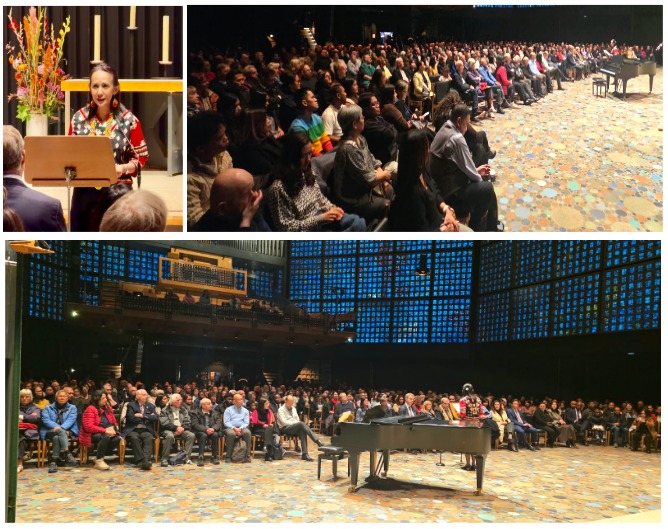
Top: Ibarra speaking at the inauguration on 26 October 2026 of the new studio for Bureau de Passage, an artist residency initiative of the German Federal Foreign Office and the German Academic Exchange Service (DAAD); Bottom: a view of the studio at the Federal Foreign Office compound.

Ibarra’s concert and Bureau de Passage residency highlight the contributions of artists of Filipino heritage to international cultural life. Ibarra’s work brings an environmental dimension to these exchanges, connecting her interest in Philippine mountain forests with her forthcoming artistic work on the Arctic. 

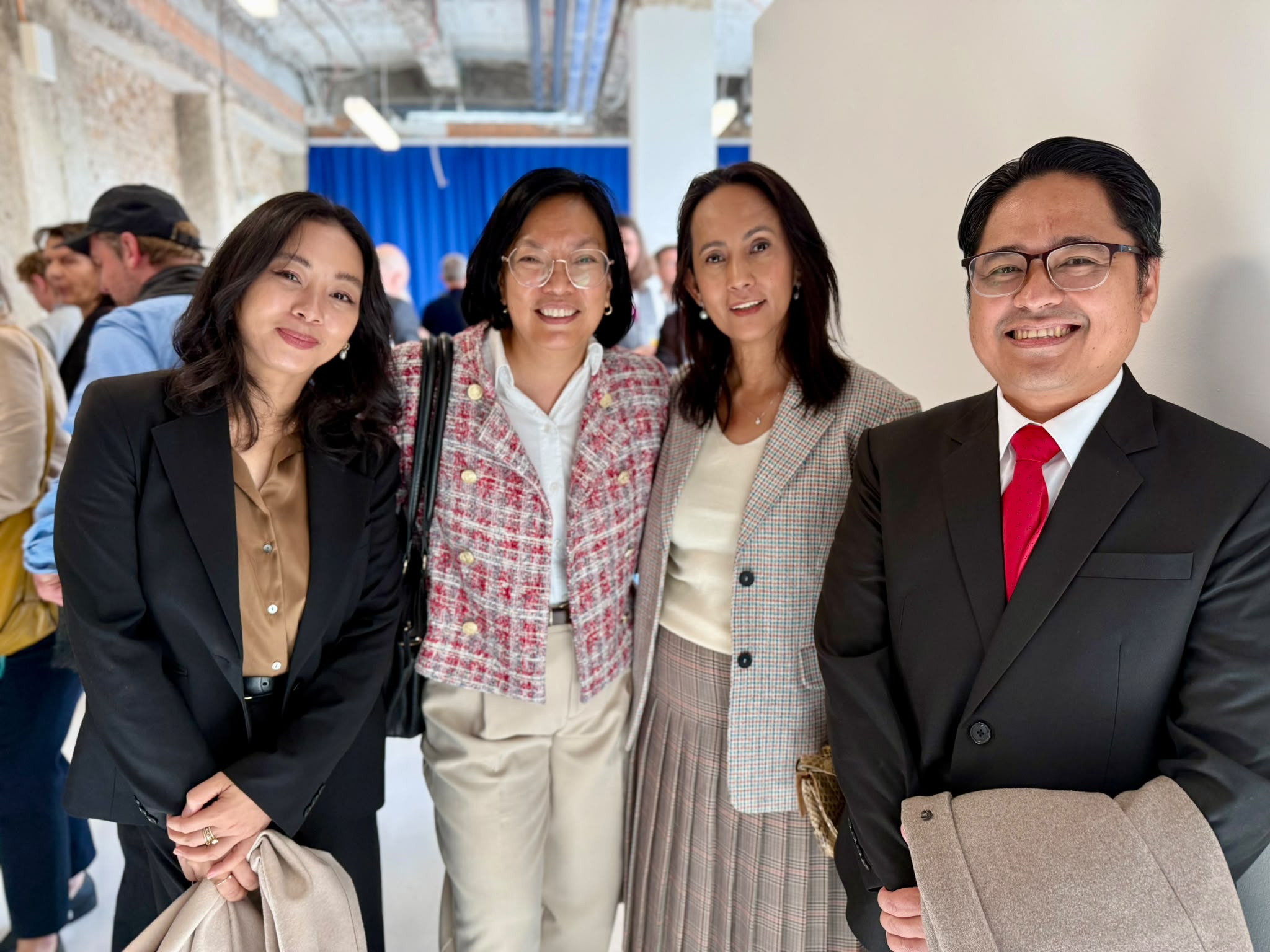
Ibarra (second from left) with Vice Consul Dana Michelle Del Rosario (leftmost), Amb. Maria Teresa Almojuela (second from right), and Consul Benjamin Celedio, Jr. (right) at the inauguration on 26 October 2026 of the new studio for Bureau de Passage.

The Embassy thanks Susie Ibarra and the artists, Pierre Boulez Saal, DAAD, the Federal Foreign Office, and all who attended the concert, and looks forward to a sustained and enriched cultural exchange between the Philippines and Germany. –END

Berlin Concert of University of Santo Tomas Singers marks 72 years of Philippines-Germany Relations

October 20, 2026

BERLIN, 20 October 2026 – A stand-out concert performance of University of Santo Tomas Singers Alumni International (UST-SAI) in Berlin marked the commemoration of the 72nd anniversary of formal Philippines-Germany diplomatic ties, established on 8 October 1954. 

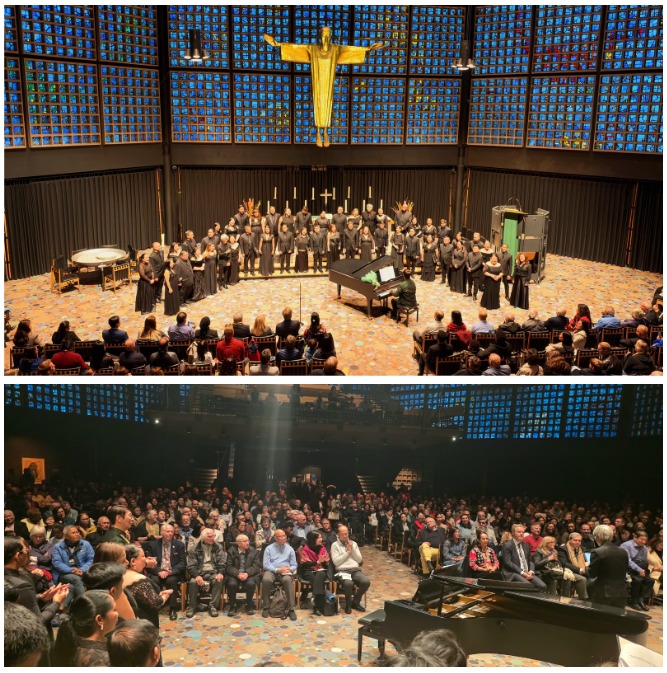
Entitled “Music, Love, and Friendship”, the concert held in Berlin’s iconic Kaiser-Wilhelm-Gedächtnis-Kirche on 19 October 2026, mesmerized a crowd of over 500 attendees, including members of the Diplomatic Corps, representatives of German public and cultural institutions, and the Filipino-German community.

In her welcome remarks, Her Excellency Maria Teresa Torres Almojuela, Ambassador of the Philippines to the Federal Republic of Germany, said the concert was “a special evening of remembrance” of the long journey of the friendship of the Philippines and Germany, which presently enjoys a high level of confidence and trust most recently affirmed by the visit of President Frank-Walter Steinmeier to the Philippines last June. 

She recalled the remarkable history of human connection between the Filipino and German nations, predating the establishment of formal diplomatic ties. She cited the unique footprint of Philippine national hero Dr. José Rizal, who studied medicine at the University of Santo Tomas before pursuing further studies in Germany. Dr. Jose Rizal who referred to Germany as his “scientific motherland” lived in Berlin, the bustling capital of the then German Empire and published his seminal novel Noli Me Tangere in 1887.  These abiding ties are expressed today in a diaspora of 48,000 Filipinos in Germany and over 4,000 German nationals in the Philippines.

Ambassador Almojuela also highlighted the musical traditions connecting the Philippines with Germany, known as the cradle of musical geniuses such as Johann Sebastian Bach,  Ludwig van Beethoven and Richard Wagner.   

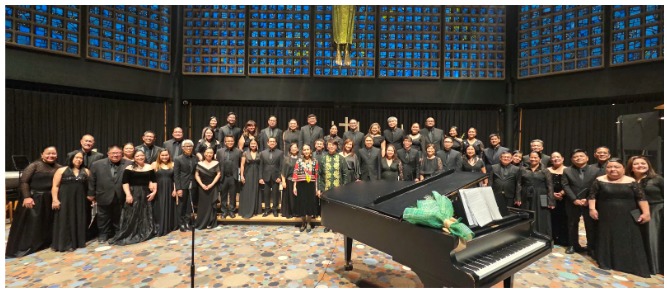
Under the baton of renowned Maestro Professor Fidel Gener Calalang, Jr., the 53-member international ensemble of UST SAI delivered a breathtaking repertoire, moving the crowd to multiple thundering applause and standing ovations.  Blending the soulful depths of Original Pilipino Music (OPM) with German songs, the twice-crowned “Choir of the World Luciano Pavarotti Trophy” alumni ensemble showcased their signature global excellence.  The choir graciously extended the evening with three off-repertoire encore pieces, to the added delight of the audience.

The concert was the maiden reunion of global UST-SAI choristers spanning multiple generations since the choir’s founding in 1992.

Formed in 2006 to bridge UST choristers residing across the Americas, Asia, Europe, and the Middle East, the UST-SAI chose Berlin as the grand finale of their maiden world tour, spanning the major cities of Valencia and Barcelona in Spain, alongside Freiburg and Weilburg in Germany, from 4 to 21 October 2026.  Adding a distinct touch of homegrown pride, the Embassy’s very own Cultural Attaché, Mylah Ann Rubio, alongside her husband Jomari Rubio, performed as active members of the ensemble during the Berlin concert.  The UST choir has performed nine times in Berlin since 1995.

The successful event served as a resounding testament to the enduring cross-cultural and human connections that define the Philippines and Germany relations.

The Philippines and Germany formalized their diplomatic relations on 8 October 1954 with the initial opening of a first Philippine consular representation in Hamburg that year. Shortly after, the Philippines opened a legation in Bonn in 1955, which was upgraded to an embassy in 1962. –END

Next Page »

Archives

CONNECT WITH US

  • 
  • 
  • 
  • 

CONTACT US

Luisenstrasse 16, 10117 Berlin
Phone: +49 (0) 30 864 95 00
info@philippine-embassy.de
(General Inquiries only)
For Consular-related Queries please send directly to the respective email addresses below
)

Assistance to Nationals (ATN) / Emergency Hotline: +49 (0) 173 421 7750
(Please help us keep the line free for those with real emergencies. Do not call this number for regular inquiries.)

Consular Hotline: +49 (0) 173 521 5703 (For queries on Consular Services)

Email Addresses:

Passport
(passport@philippine-embassy.de);

Authentication, Notarial, and Legalization
(authentication@philippine-embassy.de);

Visa
(visa@philippine-embassy.de);

Civil Registry
(civilregistry@philippine-embassy.de);

Citizenship
(Renunciation; Re-acquisition/Retention) (citizenship@philippine-embassy.de);

Other Consular queries
(consular@philippine-embassy.de)

Opening Hours
Consular Section
Mon – Fri – Fri 09:00H – 16:00H
(Except on Philippine and German holidays)


Philippine Migrant Workers Office (MWO)

For OEC and Verification of Employment Contracts of Balik-Manggagawa in Germany, Belgium, Luxembourg, The Netherlands, and Russia:

Mobile: +49 17681317465 (WhatsApp);
email: mwo.germanyoec@gmail.com

For accreditation of Agency and Direct Hires in Germany, Belgium, Luxembourg, The Netherlands, and Russia:

Mobile: +49 15229021623 (WhatsApp/Viber)
email: germany@mwoberlin.com

For OWWA membership, welfare, and labor case assistance:

Mobile: +49 152 2823 8085 (WhatsApp)
email: owwamemb@gmail.com; mwo_berlin@dmw.gov.ph

Recent Stories

  • ASEAN-Germany Biodiversity Cooperation Spotlighted in Forum in Berlin: Ambassador Almojuela highlights Philippines’ leadership
  • Berlin Science and Culture Festival 2026: Philippine Embassy convenes ASEAN Scientists for biodiversity conservation
  • Pulitzer Prize winner Susie Ibarra brings Philippine musical heritage and biodiversity to Berlin stage in European premiere of Sky Islands
  • Berlin Concert of University of Santo Tomas Singers marks 72 years of Philippines-Germany Relations
  • Dialogue in Bonn talks about evolving profile of Filipino Diaspora in Germany
Copyright © 2026